


Sometimes in late summer I won’t touch anything, not
the flowers, not the blackberries
brimming in the thickets; I won’t drink
from the pond; I won’t name the birds or the trees;
I won’t whisper my own name.

One morning
the fox came down the hill, glittering and confident,
and didn’t see me—  and I thought:

so this is the world.
I’m not in it.
It is beautiful.

October, Mary Oliver

. . .

Did I love it enough … while it lasted?

November, Maggie Dietz
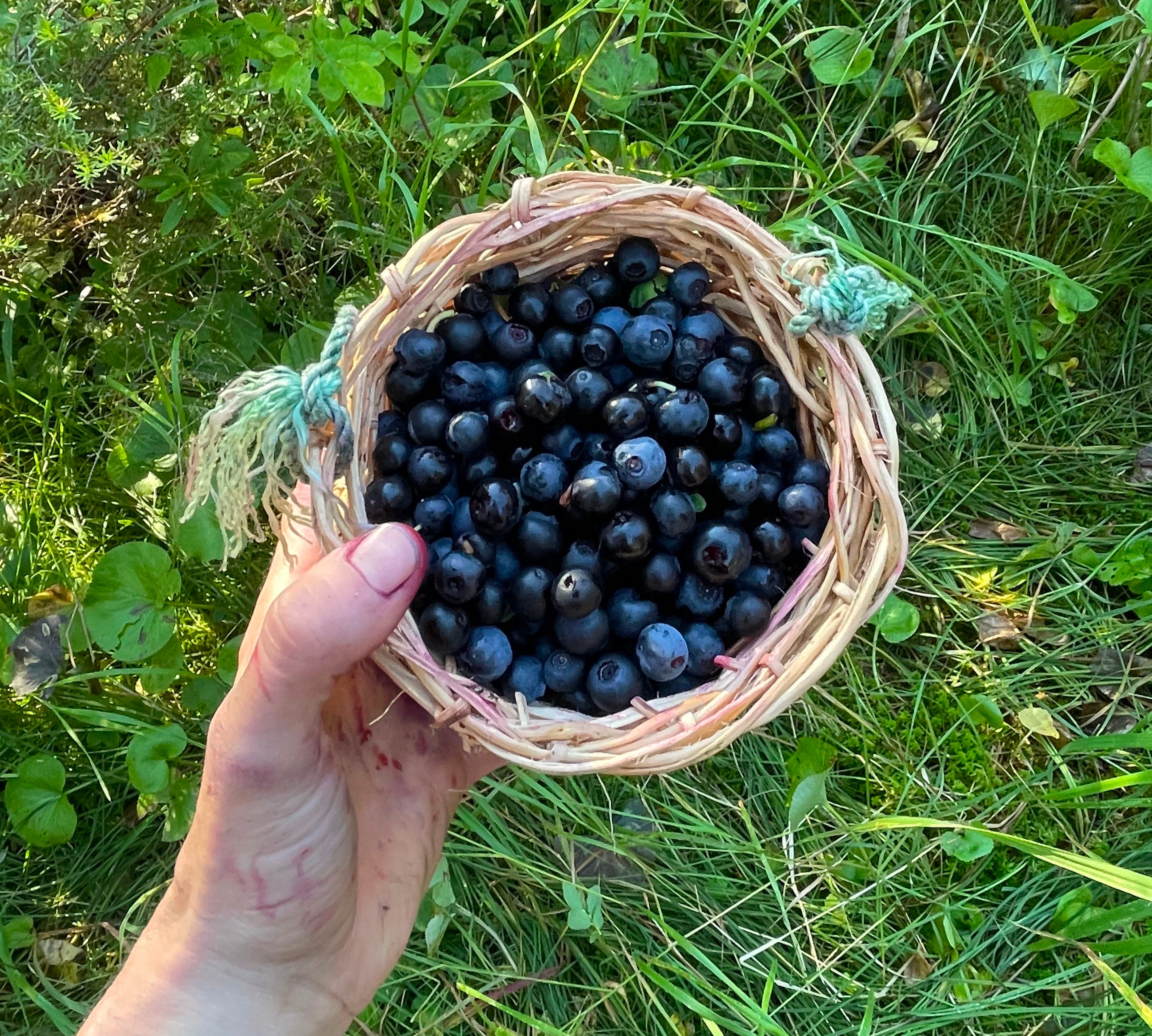
It’s that time of year when I start to get existential and achy and full of too big feelings. The salmon are dying, gasping in the creek, and the leaves are starting to turn, setting the meadows on sullen fire. The blueberries are here, the lingons fast on their way and where the hell did Summer go?
Even if it weren’t for the calendar hanging on the back door, the signs that the seasons are marching on with or without me are all around. Already, my companions for the summer have begun to leave— my rufous hummingbirds have all flown south, and I’ve taken down their feeders and cleaned and stored them for winter. The terns have left, along with the goldeneyes and buffleheads. We’re catching silver salmon now, the last of the salmon species to return home; the streams by the cabin are full of dead pinks, and the bears and kittiwakes flock to them to feast and fatten for winter. Meanwhile, little brown bats crowd under the roof of the aframe each night. They stop by to roost here in late summer on their way to their wintering grounds, some intergenerational knowledge passed down through bat lineages letting them know that this is a safe place to rest on their journey.
For weeks they wake us as they crawl and scrabble their way under the roof cap, their tiny feet wondrously, annoyingly loud on the metal as they host what sounds like an honest-to-god dance party above our heads each night.
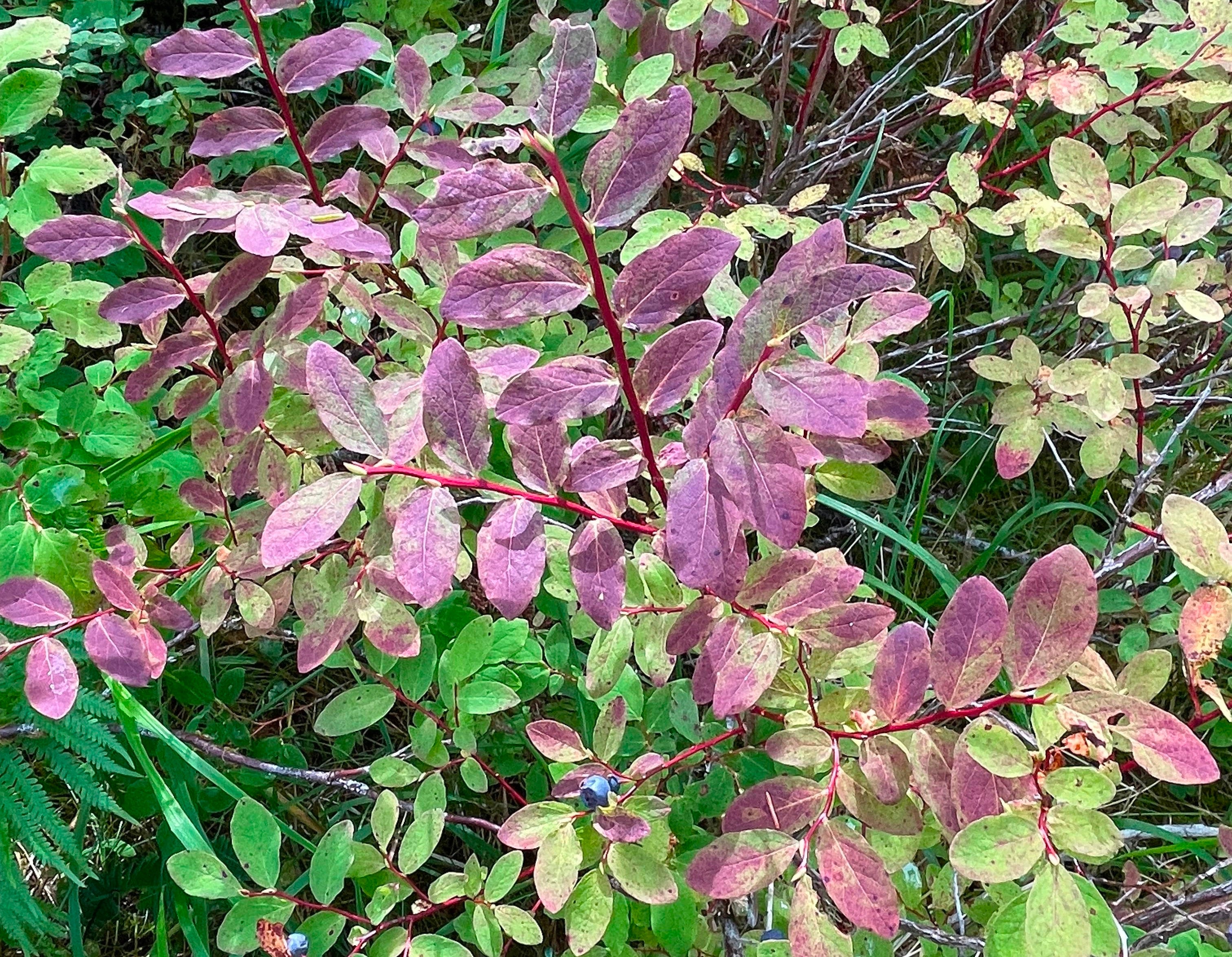
We’re coming into our last few weeks at fishcamp for the season, and I ache with the knowledge that soon we’ll close up the cabins, get in the skiff for the last time, and head back to the world of pavement and coffee shops and grocery stores until next April.
I’ve never been very good at leaving places, but particularly not places where I feel most at home, most myself. Each time it feels like a little death, both of the place and of the version of myself that I am in that place. My brain can’t seem to separate out that it’s just for a season, not for forever, not now at least. Just last week I nearly wept when the bats didn’t come back to roost, gone south with the hummingbirds and terns, the murrelets and mergansers soon to follow. Despite the annoyance and lost sleep due to them returning home at 3AM every night, I knew that once they left it meant I’d be leaving soon too.
I’m not immune to the irony and insanity of mourning the loss of something while still actively living in and enjoying it. I still have weeks left out here before the demands of the outside world call us back.
But there are some places that make you realize that one lifetime in this world will never be enough. And that’s just it— I simply cannot believe that I will someday have to leave this place, just as Alec and Doris and John and all the previous caretakers once left, just like I’m leaving in a few weeks, and that someday it will be for forever.
I’ve poked around in enough collapsed cabins and old midden heaps out here to know how quickly this land reclaims its own. For a person who is quite literally writing a master’s dissertation on the hunters and fox farmers and fishermen who’ve come before me in the Sound, I have a very difficult time accepting the fact that someday I too will be “one who’s come before.” That we are all just visitors here, whether for a summer or for the speck of a human lifetime.


But for now, at least, I am one who will come again. For now, the encroaching autumn and winter are just opportunities to practice; I want to be able to live more at peace with the fact that this is all just borrowed time, that everything I know and everything I love will one day be gone.
Or rather that I will one day be gone.
The world will undoubtedly still exist, still turn. The hummingbirds and salmon will continue to return.
Sometimes, I can let go of my own self-importance enough to see it. To see the grace and beauty and forgiveness of a world that can swallow an entire human life whole in a few short years after the person who carved out that place for themselves is gone.
And sometimes, I think of my friend Michael Gardner, his voice overlain a video that I’ve watched dozens of times since his death two Octobers ago, his joy and vibrancy spilling over, crossing that dark threshold that now separates us— “I just like the experience of being alive.”
So do I, Mikey.
So do I.
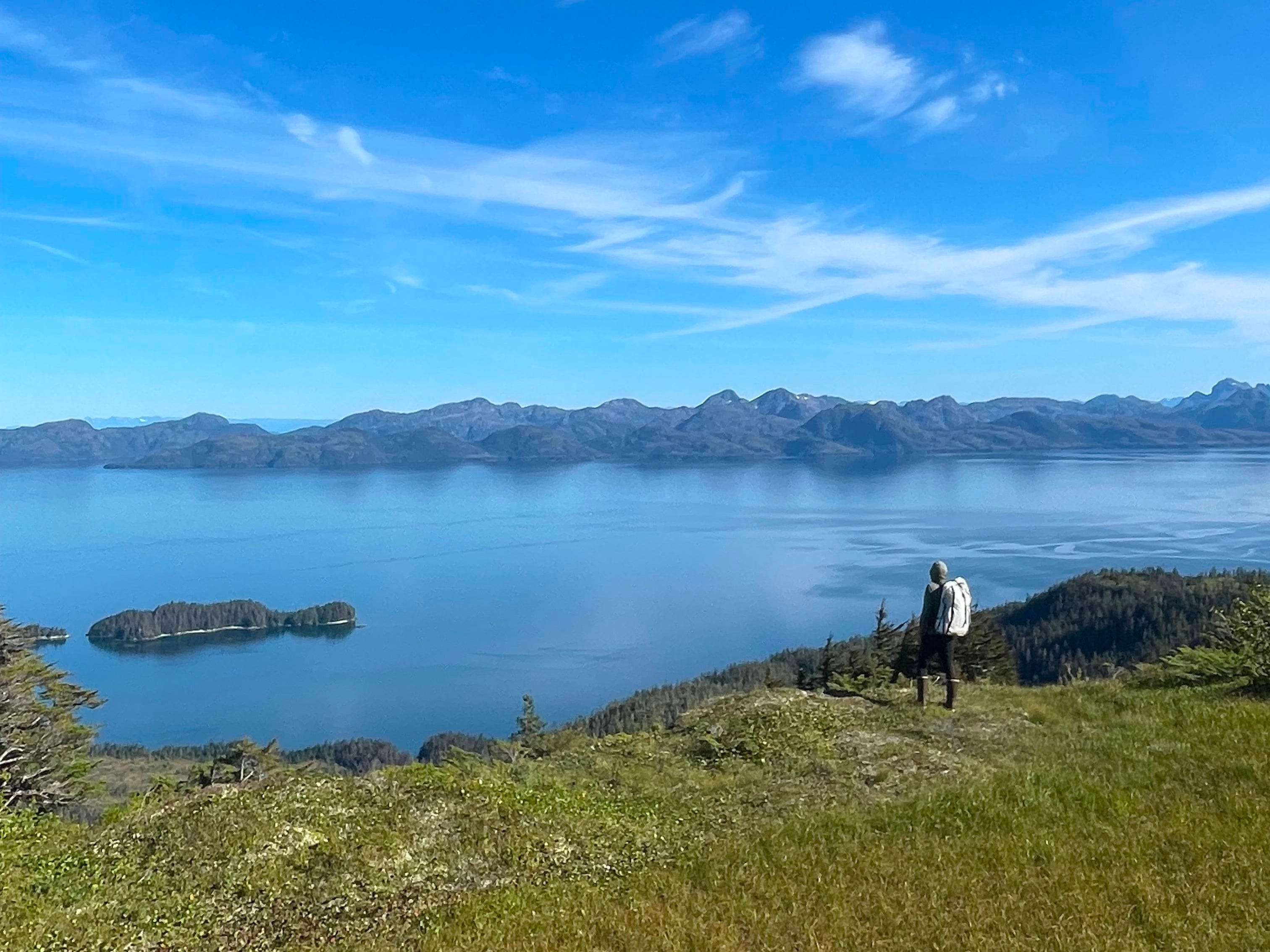
The other night, Forest came home from fishing after dark. I’ve taken to skipping slower fishing openers; while I love picking fish, listening to a diesel engine for sixteen hours a day has started to wear on me, and I can’t help but feel an enormous amount of time scarcity whenever I get in the drift boat and leave this corner of the Sound to go fish elsewhere. Instead, I make art and pick berries, or simply sit in the sun, rarely going much more than a mile from the cabin.
I’m already tucked in and half-asleep in the loft when he gets home and cracks the front door open, calling up to me that there’s bioluminescence in the water. As much as I’ve dreaded the fading summer sun and encroaching darkness, another part of me has been waiting for it— waiting for the dark that lets so many other lights shine.
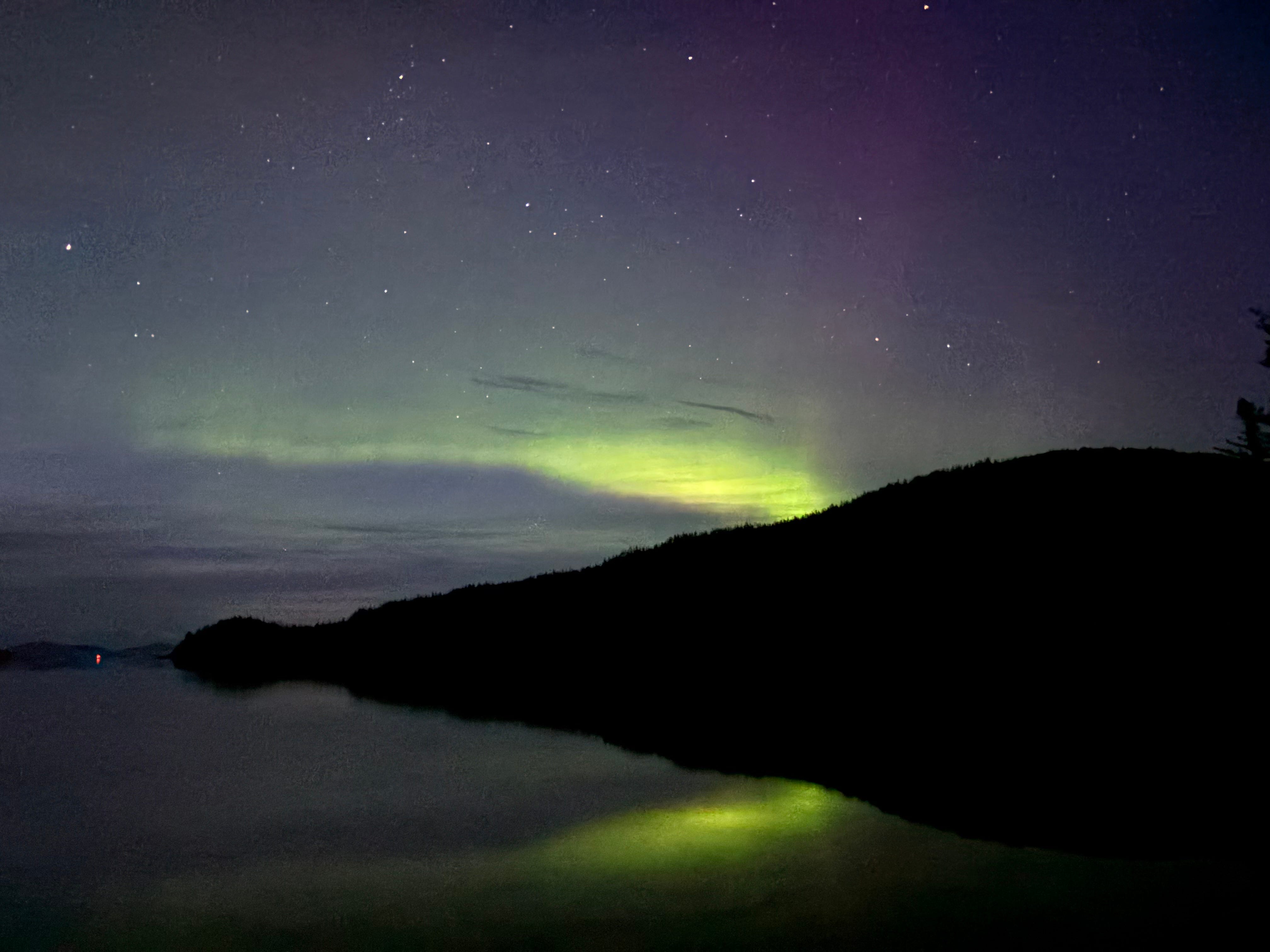
And now it’s here, for the first time this summer, and despite my fatigue I stumble down the ladder and outside into the cool dark. Forest drags the kayak down to the waterline for me, and I strike out into the night, each paddle stroke erupting with a thousand bright lights that flicker like the fireflies I grew up with, the wake of the kayak sending ribbons of it out behind me. I move in circles, seeking out the deepest, darkest water and splashing it with my paddle to rouse them, over and over and over again.
But it’s not enough (will anything in this life ever be enough?), so I paddle back to shore and strip naked, easing into the cold sea so I can watch the miracle of light my body weaves in the water. I can’t even see my limbs, just the glimmers that surround them like an aura as I move through the water. A few pink salmon linger by the shore and startle at my presence, green flecks tracing their muscular bodies as they flee. I splash and play until I’m numb with cold, then scamper back to the cabin, showering off the salt in the dark before crawling back up to bed and slipping into a deep, dreamless sleep.
Later that night, I wake to the slap of wings and little bodies against the roof above my head, a quick scurrying down the peak of the aframe.

Updates:
I’m excited to announce that this fall I’ll be starting to release printed newsletters featuring my art and some of my writing to mark each season, something I’ve been excited about for a while. Working on the first installment has helped ease some of my seasonal angst, and I hope it will for you too.
The first batch will be sent to my paying subscribers (if you are one, be on the lookout for an email soon!). I’ll hopefully be exploring other platforms where people can receive one without being a Substack paid subscriber too, but for now, if you’d like one- please subscribe!
In Case You Missed It…
If you enjoyed this essay, you might enjoy a few others I’ve written about fishcamp and seasonality, such as:


If you enjoyed this essay, please share it with your friends! If you’d like to receive my essays and missives straight in your inbox and support my writing, you can subscribe to Winnowing below. Subscribing is always free; however, if you choose to become a paid supporter, you’ll also receive my seasonal print newsletter, Winnowing: A Seasonal Dispatch, in your mailbox!
I am completely captivated by your words. Thank you. 🙏🏻
Oh I loved this piece so much. Thank you for capturing the feeling that I often struggle to put into words ❤️